





Economy Poised for Strong Start in 2025 Despite Policy Uncertainty
Regardless of ambiguity around taxes, national debt, government regulation and international trade, the U.S. economy remains strong and resilient.
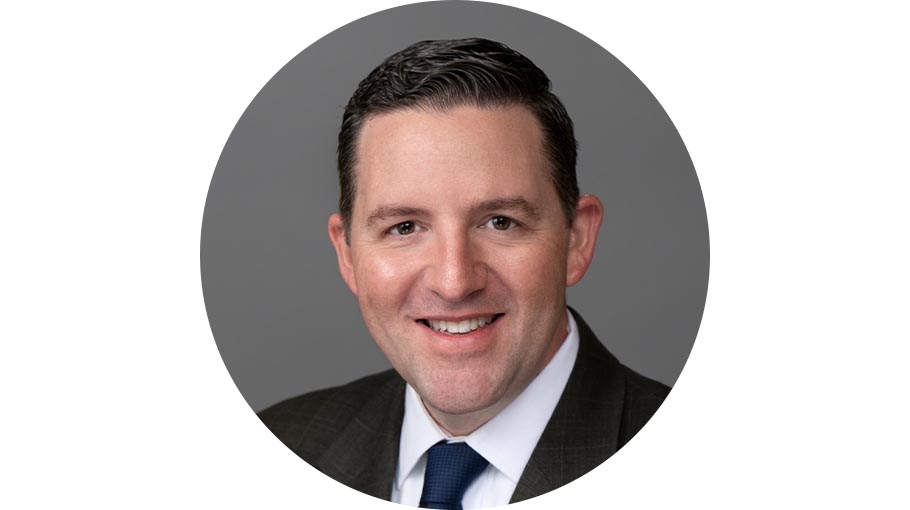 Zions Bank senior economist Robert Spendlove
By most metrics, the U.S. economy closed out 2024 stronger than it began the year. Inflation was down, consumer confidence was up, and economic growth outpaced expectations.
The economies of the U.S. and the mountain region performed well in 2024 while still unwinding from the pandemic-induced shockwaves of 2021 and 2022. That strength is expected to carry into 2025, though uncertainty remains persistent surrounding how potential policy changes could impact the economy with a new presidential administration and a new Congress.
Here are some economic possibilities to watch for in 2025.
Interest rates could drop more slowly
In their last policy decision of 2024, Federal Reserve officials cut their short-term benchmark interest rate for the third consecutive time this year. That amounted to a full percentage point drop from September to December. But Federal Reserve Chair Jerome Powell also indicated that the Fed plans to slow the pace of further rate drops in 2025. The Fed forecasts two rate cuts in 2025, balancing inflation risk with a cooling labor market. This would lower short-term interest rates by another 0.5% by the end of 2025.
The job market may soften further
While the overheated labor market cooled in 2024, job growth was solid. The unemployment rate ticked up slightly but remains historically low. From January to December, the national jobless rate climbed from 3.7% to 4.2%. This is widely considered a healthy rate of unemployment — sometimes called the “natural rate” — where there are enough job openings for job seekers and people transitioning between jobs while the portion of people without jobs remains low.
The U.S. unemployment rate is projected to inch up to 4.3% in 2025, with steady job growth persisting. The Federal Reserve will be closely watching the strength of the labor market as it considers how to move interest rates.
Stubborn inflation set to stick around
Inflation has dropped dramatically over the past two-and-a-half years, with the Personal Consumption Expenditure (PCE) inflation indicator falling from a 40-year high in the summer of 2022 to 2.4% in December 2024. Even so, consumers continue to feel the effects of high prices.
Wages will need to grow faster than prices for a sustained period before people regain the purchasing power lost to inflation. Core PCE inflation, which excludes the volatile categories of food and fuel, is projected to come down from 2.8% in 2024 to 2.5% in 2025. Inflation was sticky the last half of 2024, and the Fed estimates it may take until 2026 or 2027 to reach its 2% target. Additionally, economic policy could impact whether that inflation rate continues its downward trajectory.
Confident consumers could step up spending, fueling growth
While changes in the federal government create a level of economic uncertainty, consumer confidence is up regionally and nationally. The University of Michigan survey of consumer sentiment found a 1.8% increase in sentiment among Americans as a whole in November. If the positive sentiment persists, high levels of consumer confidence could spur retail spending, fueling economic growth.
Heading into 2025, policy uncertainty will exist around taxes, national debt, government regulation, and international trade, but the U.S. economy remains strong and resilient. We are well-positioned for further success in the new year.
Related Articles

6 Steps to Turn Your Business Idea into Reality
Have a great business idea? Follow these simple tips to get started on your entrepreneurial journey.

Building an Emergency Fund: A Financial Lifesaver in 2025
Set a New Year’s resolution to help you get through those financial rainy days. An emergency fund is useful for many of life’s unexpected curveballs.
As Start-ups Surge, Zions Bank is Meeting Demand for Small-dollar Loans
Zions Bank ranked No. 1 in SBA 7(a) loan approvals in the Boise and Utah Districts during fiscal year 2024.